What Is a UGC Creator? The Complete 2026 Guide
May 1, 2026 · AskEditor Team · 14 min read
A UGC creator makes brand-ready videos that look like real customer content. The role split two ways in 2026. Both paths covered, end to end.
Table of contents
- 1. What Is a UGC Creator?
- 2. What UGC Creators Actually Make
- 3. Why Brands Use UGC Creators (Instead of Filming Themselves)
- 4. How to Become a UGC Creator (Human Path)
- 5. The AI Alternative: AI UGC Creators in 2026
- 6. Human vs AI UGC: When to Pick Which
- 7. How Compliant Brands Run AI UGC in 2026
- 8. Frequently Asked Questions About UGC Creators
- 9. The Bottom Line
UGC stands for user-generated content, and a UGC creator is someone hired by a brand to make videos and photos that look like real customers made them. The key word is "look like." UGC creators are paid for the content, not for posting it to their own audience. The brand gets the asset, runs it on their channels, and the creator moves on to the next gig.
This is the cleanest line between UGC creators and influencers. An influencer is paid for their audience. A UGC creator is paid for the asset.
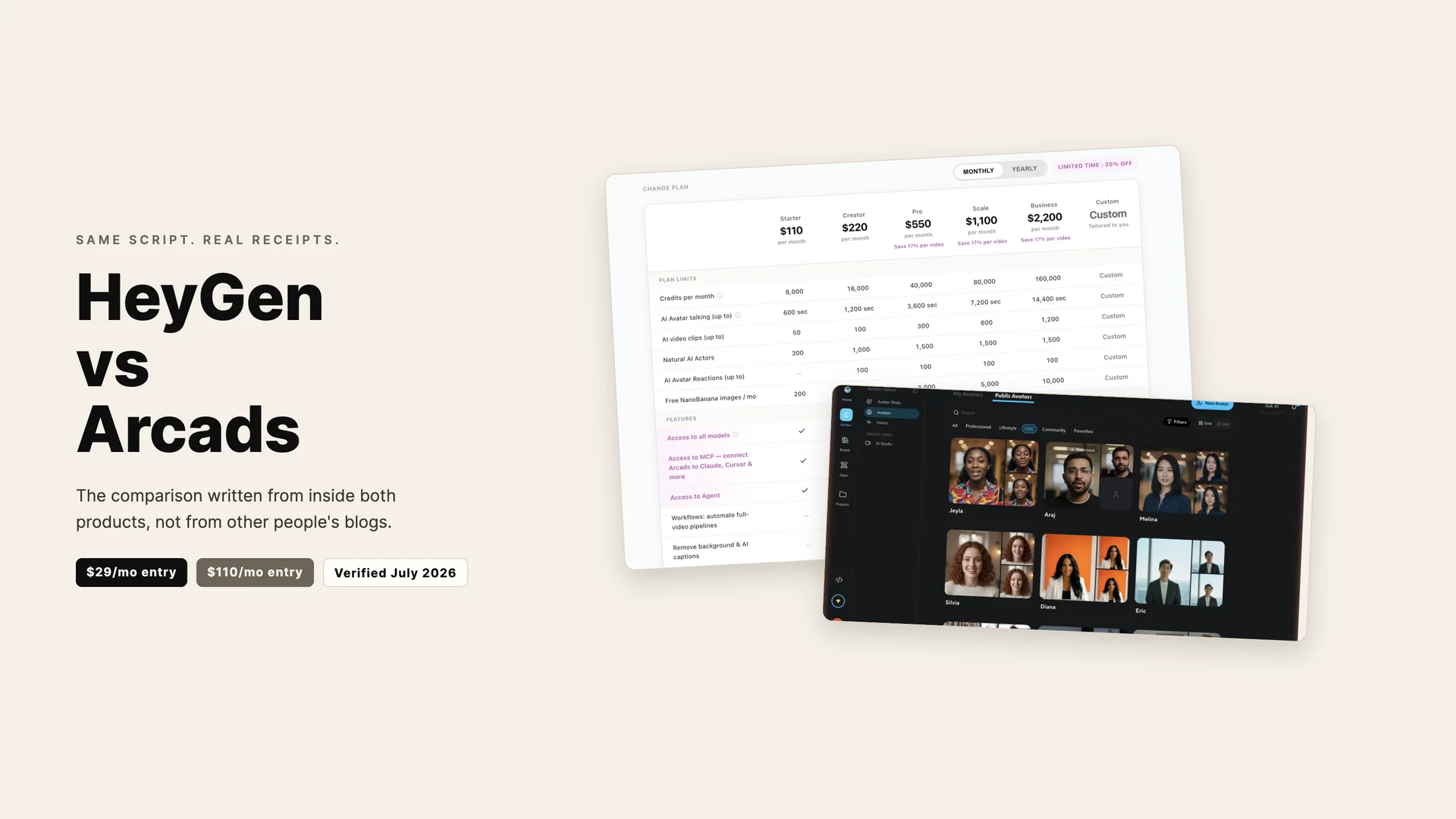
In 2026 the role split into two paths. Human creators on marketplaces like Billo and Trend.io still produce most of the volume. Brands also now generate UGC-style ads with AI avatars from platforms like Synthesia, HeyGen, Arcads, and AskEditor. Both paths are growing. Neither has won.
The rest of this guide covers how each path works, what they cost, when to pick which, and what compliant brands are actually doing in 2026.

Key Takeaways
- A UGC creator is hired for the content asset, not for an audience. The brand owns the deliverable on completion.
- The role split into two paths in 2026: human creators on marketplaces, and brand-owned AI avatars on platforms like Synthesia, HeyGen, and AskEditor.
- Brands picking the AI path in 2026 disclose the AI nature of the content, get likeness consent for any real person, and treat compliance as table stakes.
What Is a UGC Creator?
The term UGC creator emerged around 2020 when brands realized two things at once. Audiences had stopped trusting polished agency-shot ads. Algorithms on TikTok and Reels had started rewarding selfie-style content shot at arm's length over anything that looked like a commercial.
The category sat awkwardly between traditional ad production and influencer marketing for the first couple of years. By 2023 it was the dominant format for direct-response social ads. By 2026 it has become the default unit of paid social creative, with AI avatars now sharing the workload.
A UGC creator does not need an audience. Most successful UGC creators have under 1,000 followers on the platforms they shoot for. The whole skill is making content that reads as authentic when run as a paid ad in someone else's feed. That is a craft, not a popularity contest.
What UGC Creators Actually Make
The format is narrower than people expect. Most UGC ads fall into one of five shapes: selfie-cam unboxings, quick problem-solution skits, direct testimonials shot at arm's length, day-in-life clips with the product woven in, and tutorial-style demos where the creator explains the product as they use it.
Aspect ratio depends on the channel. 9:16 for TikTok, Reels, and YouTube Shorts is the dominant default. 1:1 for Instagram feed. 16:9 only for the rare YouTube pre-roll buy. 15 to 60 seconds is the sweet spot. Anything over 90 seconds drops off a cliff in retention curves.
The reason selfie framing works is parasocial. Holding the camera at arm's length triggers the same visual cues as a video call from a friend. The audience reads it as someone they know talking to them, even though they have never met. Polished agency-shot ads cannot fake this without a cost most brands cannot afford.
Why Brands Use UGC Creators (Instead of Filming Themselves)
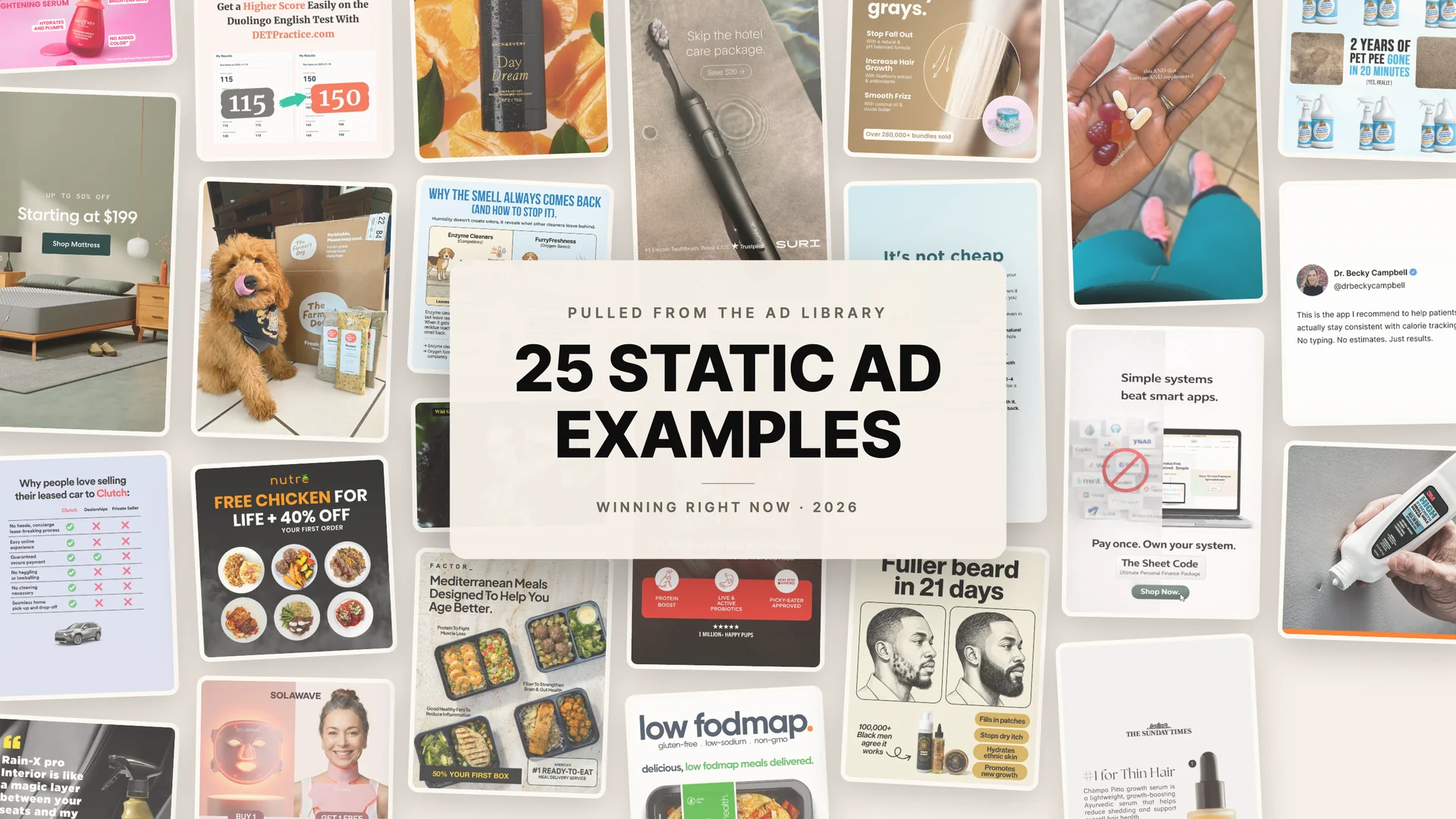
The numbers are the easiest part. 92% of consumers trust UGC over traditional ads (Nielsen). UGC ads see 4× higher click-through rates than traditional ad creative (Billo benchmark). Conversion rates run 10.38× higher than non-UGC content on the same channels (Emplifi). Product pages with UGC convert 161% better than product pages without (Yotpo). Static formats still earn their slot in the mix, though: some of the static ad examples running in the Meta Ad Library today have been live for over eight years.
Stackla puts it bluntly: 79% of consumers say UGC directly impacts their purchase decisions. The audience trusts the format because it looks like the format their friends use.
Cost is the next driver. A traditional 30-second ad spot runs $5,000 to $20,000 in production cost before media spend, and 4 to 6 weeks of calendar time. A UGC asset runs $75 to $500 per video and turns around in 5 to 7 days. For a campaign that needs 15 hooks tested before scaling spend, the math on traditional production stops working before the brief is finished.
The third driver is volume. Iteration is now the unit of marketing performance. Brands that ship 30 ad variants a month outperform brands that ship 3 polished hero spots, even when the polished spots win on craft. Audiences are bored before the third impression. Tools like AskEditor exist to create AI UGC ads at the volume modern paid social demands, and the same logic applies whether the creator is human or synthetic.
How to Become a UGC Creator (Human Path)
The barrier to entry is low. The barrier to consistent income is not.
A starter kit costs around $200. A recent iPhone, a clip-on lavalier mic, a ring light, and a tripod cover the equipment side. The skill side is harder. You have to nail camera presence inside three seconds, write hooks that earn the next eight, and edit tight enough that nothing is wasted. Most of that gets unlearned over the first 50 videos, not taught.
The marketplaces brands actually use are Billo, Trend.io, Insense, and Collabstr. Each has its own application gate. Billo screens for production quality. Trend.io leans toward lifestyle and beauty. Insense routes Meta ad-grade creatives. Collabstr is the most open and the most price-competitive.
Real rates: $75 to $300 per video starting out. After 10 to 15 completed projects with positive feedback, rates rise to $300 to $800. Top creators with proven ad performance run $500 to $2,000+ per piece, with usage and exclusivity bundles on top.
Three contract terms matter. The 50% non-refundable deposit goes upfront, before any shooting. The 30% to 50% usage-rights surcharge sits on top of the base rate (paid ads beyond 90 days, organic-only is the default). The scope clause spells out the number of revisions, the number of hooks, B-roll inclusion, and raw footage delivery.
The mistakes new UGC creators make are predictable. They price too low to escape from. They accept blanket usage rights without an additional fee. They skip the contract, then have no recourse when the brand rebrands and re-uses the footage two years later. We have seen creators redo work for free three times because the original deliverable scope was a Slack message instead of a signed agreement.
The AI Alternative: AI UGC Creators in 2026
The other path is to skip the marketplace and generate the avatar.
An AI UGC creator is a persistent synthetic character with a consistent face, voice, and visual identity, used across a brand's ad library. The face is generated once and reused. The voice is cloned once from a 15-second reference clip and used for every script after. The lip-sync runs frame-by-frame so the mouth movements match the dialogue. Done well, the result is hard to distinguish from a human-recorded UGC ad on first watch.
Four platforms own most of this category. Synthesia covers 140 languages and focuses on enterprise explainer content. HeyGen offers 175 languages with the largest avatar library. Arcads runs 30 languages and focuses on Western performance ad campaigns. AskEditor reaches 646 languages via OmniVoice voice cloning, with a Character Library that locks one face across every render.
The brand savings are sharp. Per-video cost runs $2 to $20 versus $150 to $2,000 for a human creator. Turnaround drops from 5 to 7 days down to under an hour. A campaign that wants 50 hooks tested across 5 languages stops being a budget conversation and starts being a workflow conversation.
The interesting wedge is multilingual. Hiring a native UGC creator for every market a brand wants to enter is structurally expensive. Voice cloning across 646 languages from one reference clip flips that math. A French-speaking brand can now ship a Japanese UGC ad on the same Tuesday it shipped the French original. To see how the platforms stack up, the full evaluation framework walks through the rubric.
AskEditor itself is the AI UGC ad generator for this path. The Character Library handles likeness consistency across renders. OmniVoice handles voice cloning. Branding the AI character becomes the high-leverage move once the platform choice is made: face, voice, wardrobe palette, and gesture vocabulary all get locked once and reused across every campaign. We have run full campaigns where a single 15-second reference clip carried one cloned voice across 30+ scenes without manual touch-ups.


Human vs AI UGC: When to Pick Which
The 2026 honest answer is: pick both, for different jobs.
Pick a human creator for flagship campaigns. The hero ad that defines the brand voice for the year, the founder testimonial, the partnership tier where the creator's audience matters as much as the asset all sit on the human side.
Pick AI for everything else. Volume hook testing rewards machine speed. Multilingual rollouts collapse when you have to hire a native creator per market. Evergreen explainers stay on-brand longer when one synthetic actor handles every render. Rapid iteration cycles measured in hours instead of weeks make AI the only practical option.
The honest counter-stat: only 15% of consumers report high trust in AI influencers, and 48% say AI-generated content felt less trustworthy than human-created content. That gap is closing fast in 2026 but it is real today. The brands winning with AI UGC are the ones who use it where authenticity is not the load-bearing element of the ad.
| Dimension | Human UGC creator | AI UGC creator |
|---|---|---|
| Cost per video | $75 to $2,000+ | $2 to $20 |
| Turnaround | 5 to 7 days | Under 1 hour |
| Language reach | 1 native language | Up to 646 (OmniVoice) |
| Trust signal | Higher today, gap closing | Closing fast in 2026 |
| Scale ceiling | Limited by hiring pipeline | Effectively unlimited |
| Best for | Flagship, founder, partnerships | Hooks, multilingual, evergreen |
How Compliant Brands Run AI UGC in 2026
This is the section that separates serious operators from amateurs.
The FTC's August 2024 rule on consumer reviews and testimonials extended existing endorsement guidelines to cover AI. The mechanics are unchanged from the rules human influencers already follow. Disclose paid partnerships. Do not fabricate testimonials from people who do not exist or never used the product. Get consent for any real person's likeness used in an avatar. The new piece is that AI does not give a brand a loophole on any of the above.
Synthesia, HeyGen, Arcads, and AskEditor all ship with this baked in. Likeness consent is required to create a custom avatar. Disclosure features are standard. Major brands run AI UGC at scale every day, fully compliant, because the rule is not "no AI ads." The rule is "no deceptive ads, regardless of who or what made them."
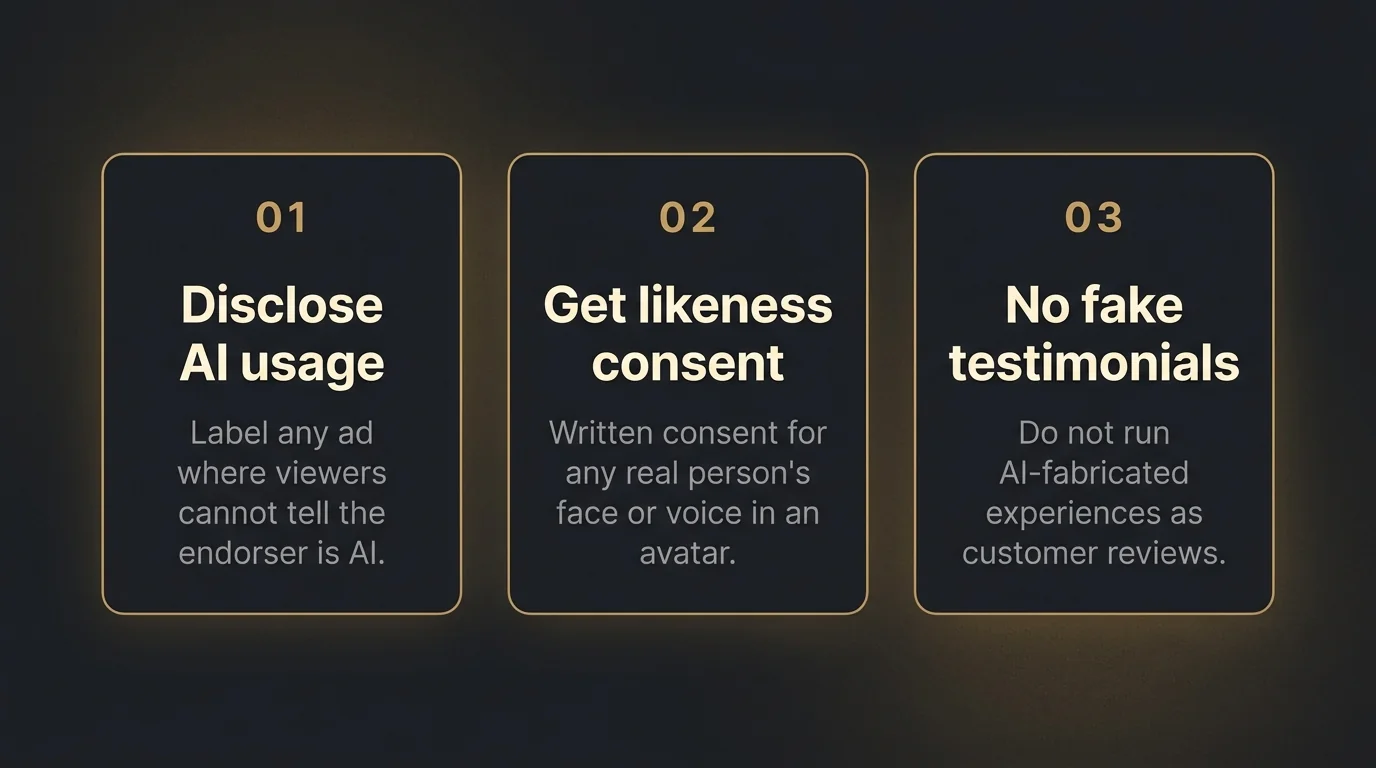
The simple checklist: if a viewer cannot reasonably tell the endorser is AI, label it. If a real person's face or voice is used, get written consent. If the testimonial is a fabricated experience the AI is performing, do not run it as a customer review. None of this is exotic. It is the same disclosure logic that has applied to human #ad campaigns since 2019.
The brands who treat compliance as table stakes are the ones reaching agencies and enterprise budgets. The ones cutting corners get warning letters, like the ten companies the FTC cited in January 2026 under the Consumer Review Rule. AskEditor exists for the first group.
Frequently Asked Questions About UGC Creators
Do I need a following to be a UGC creator?
No. Most successful UGC creators have under 1,000 followers on the platforms they shoot for. Brands hire you for the asset, not the audience. The skill that matters is making content that reads as authentic when it runs as a paid ad in someone else's feed.
How much do UGC creators actually make?
Starting rates run $75 to $300 per video. Working creators land in the $300 to $800 range after 10 to 15 completed projects with positive feedback. Top performers with proven ad-performance data charge $500 to $2,000+ per piece, with usage and exclusivity bundles layered on top.
Which marketplace is best for total beginners?
Collabstr has the most open application gate and the lowest price floor, which is the right starting point if you have no portfolio yet. Once you have 5 to 10 polished pieces, Trend.io and Insense pay better. Billo screens for production quality and is worth applying to once your work consistently looks ad-grade.
Do I need to disclose AI-generated UGC ads to viewers?
Yes. The FTC's August 2024 rule on consumer reviews and testimonials covers AI-generated endorsements. If a viewer cannot reasonably tell the endorser is AI, label the ad. The standard is the same as the #ad disclosure already required for paid human partnerships.
Is the UGC creator market saturated in 2026?
At the bottom rate tier, yes. The supply of $50-per-video creators outstrips brand demand, and that floor is unlikely to recover. At the $500+ tier where craft and ad-performance data matter, there is still real headroom. The bar to break out is consistency in deliverables and contract discipline, not luck.
Can a brand run human and AI UGC together?
Most successful 2026 brands do. Human creators handle flagship campaigns, founder testimonials, and partnerships where the creator's audience matters. AI handles volume hook testing, multilingual rollouts, and evergreen ad libraries that need to look the same six months from now as they do at launch.
What is the difference between a UGC creator and a content creator?
A content creator publishes to their own audience. A UGC creator hands the asset to a brand and never publishes it under their own name. Content creators are paid for the reach. UGC creators are paid for the deliverable.
The Bottom Line
The two paths are not converging. They are dividing the work between them.
Human creators are moving toward higher-craft, higher-trust formats. Long-form testimonials and founder-to-founder partnerships are the work shifting their way, where the audience overlap is the asset itself. The price floor is rising as the volume floor falls.
AI UGC is taking the long tail. Hook testing handles volume. Multilingual rollouts handle reach. Evergreen ad libraries handle longevity. Voice cloning across 646 languages on platforms like AskEditor unlocks markets that were not economically viable to enter before.
The brands that win in 2026 use both. The ones that pick a side and ignore the other are leaving budget on the table.
If you want to see how the AI side of this works in practice, try AskEditor and run a few hooks before the next campaign cycle.
AskEditor Team
Guides on making marketing video with AI, from the team building AskEditor.